2019 Met Gala Camp fashion

Met Gala, 2019 · Photo: Angela Weiss / AFP via Getty Images

The Met Gala as a Mirror:
How Fashion Reinvents What We Consider Beautiful

Once a year, the steps of the Metropolitan Museum of Art become something more than a red carpet. They become a temporary definition of what fashion considers beautiful, provocative, relevant, or worthy of remembering.

Every first Monday in May, fashion enters a museum and is asked to explain itself. The Met Gala is often reduced to spectacle: celebrities, impossible gowns, viral photographs and the inevitable debate over who understood the theme. But underneath the spectacle is something more revealing. Each Costume Institute exhibition chooses a question that fashion believes is worth asking at that particular moment.

Look at those questions over time and the Gala begins to resemble a mirror. Not one that simply reflects what we already consider beautiful, but one that reveals how unstable the definition of beauty has always been. At the Met, fashion has been asked to confront religion, technology, history, identity, excess, nature and, most recently, its own place within art.

The Met Gala does not single-handedly determine what fashion becomes next. Its influence is more subtle than that. It crystallizes the conversations already moving through the industry and places them on one of fashion's most visible stages. What appears on those steps tells us something about what fashion is ready to celebrate, question or reconsider.
Alexander McQueen Savage Beauty exhibition

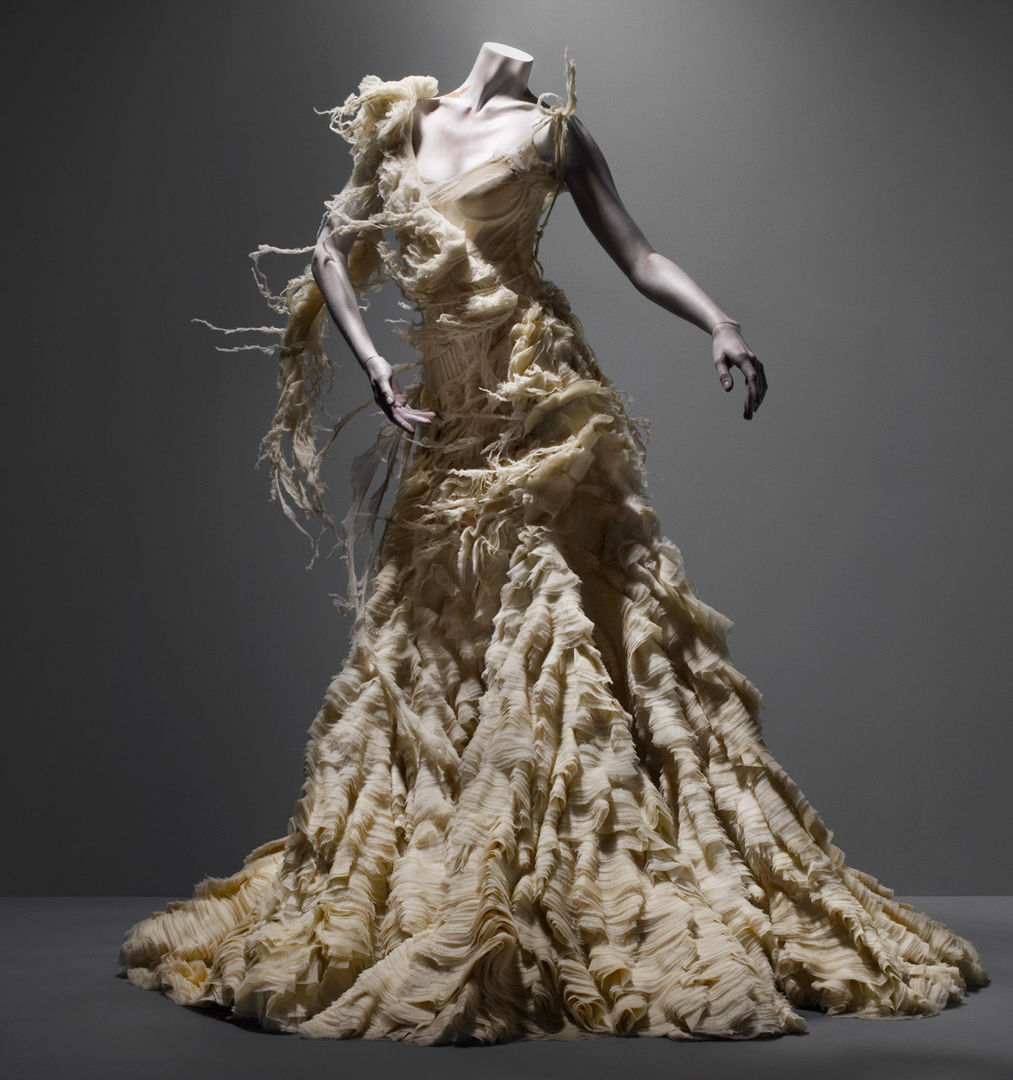
Alexander McQueen: Savage Beauty · Photo © Sølve Sundsbø / Art + Commerce

2011

Savage Beauty

Alexander McQueen: Savage Beauty marked an important shift in the way fashion could be presented inside a museum. The Costume Institute described McQueen's work as extending fashion beyond utility and into a conceptual expression of culture, politics and identity.

That distinction matters. Clothing was no longer being preserved simply because it was beautiful, technically impressive or historically important. It could carry ideas. A dress could be disturbing. A silhouette could be political. Beauty itself could be uncomfortable.

McQueen's work had always existed in that tension. Romance sat beside violence; historical references beside technological experimentation; beauty beside decay. The exhibition demonstrated that fashion did not have to resolve those contradictions to deserve a place in a museum. The contradictions were precisely what made it interesting.

Heavenly Bodies fashion exhibition

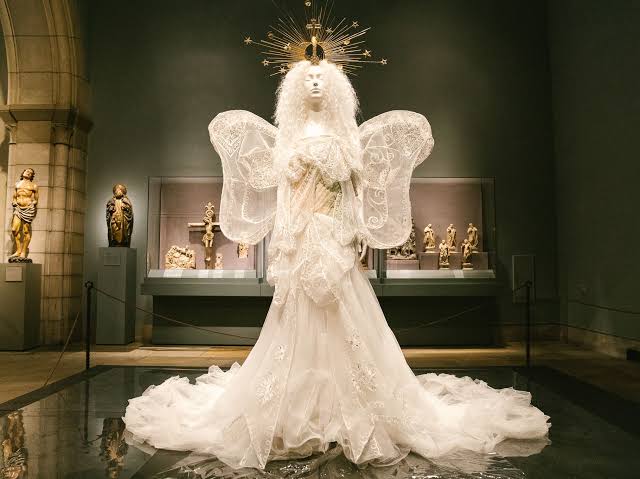
Heavenly Bodies: Fashion and the Catholic Imagination · The Metropolitan Museum of Art

2018

Heavenly Bodies

Seven years later, Heavenly Bodies: Fashion and the Catholic Imagination expanded the conversation again. Fashion was placed in dialogue with medieval art and the visual traditions of Catholicism, while papal robes and accessories from the Sistine Chapel sacristy appeared alongside modern fashion.

Religion and fashion may seem like opposing worlds: one associated with devotion and permanence, the other with consumption and constant change. Yet both understand the power of image, ritual, symbolism and dress. Clothing can establish hierarchy, communicate belonging and transform a body into something larger than itself.

The result was a Met Gala in which beauty became almost devotional. Gold, embroidery, halos, crosses and ecclesiastical silhouettes turned fashion into a language of belief. The clothes were not simply decorative. They showed how deeply cultural memory can remain embedded in the way we dress.

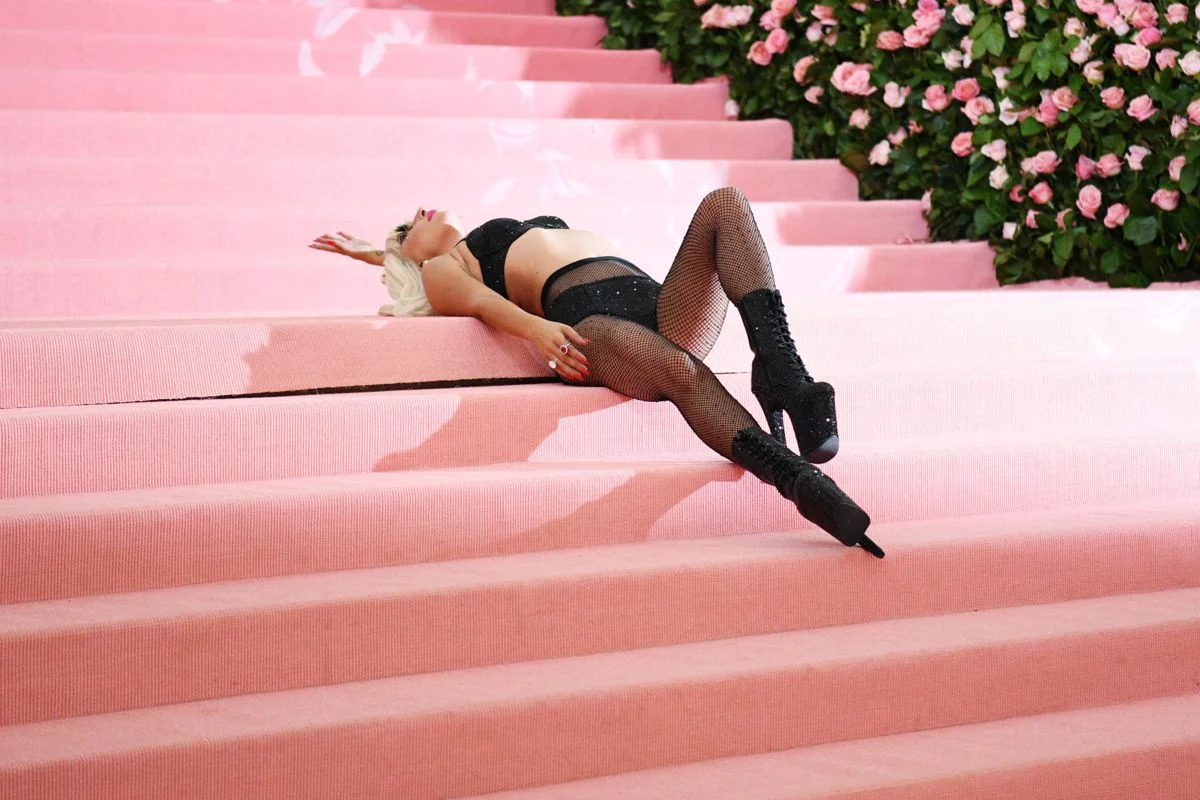
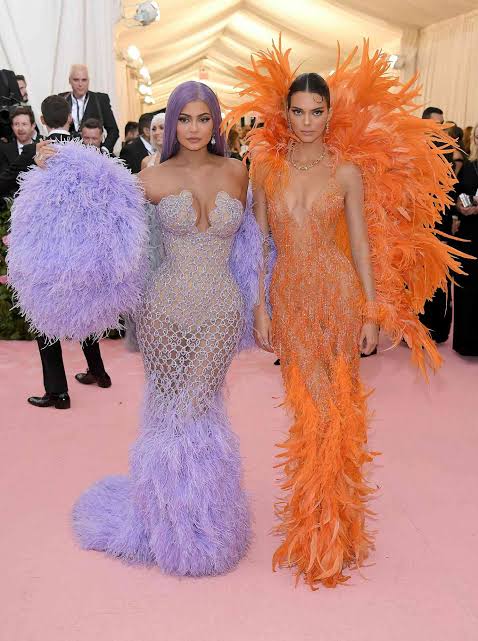
2019 Met Gala Camp fashion

Met Gala, 2019 · Camp: Notes on Fashion · Photo: Getty Images

2019

Camp: Notes on Fashion

Of every Met Gala, 2019 remains my favorite. Perhaps because it understood something fashion occasionally forgets: beauty does not always need to be tasteful.

Camp: Notes on Fashion took Susan Sontag's 1964 essay as its framework and explored an aesthetic built from irony, humor, parody, artifice, theatricality and exaggeration. More than 250 objects traced the way camp moved between marginal culture and the mainstream.

It was the perfect theme for the Met Gala because camp cannot survive through restraint. It needs performance. It needs too much. On the pink carpet, feathers became enormous, silhouettes became absurd and getting dressed became theatre.

Lady Gaga turned her arrival into a performance rather than a single look, using the staircase itself as a stage. Nearby, feathers, crystals, saturated color and exaggerated proportions transformed familiar ideas of glamour into something knowingly excessive.

That is why 2019 still feels different to me. Camp allowed fashion to stop pretending that seriousness is the only route to significance. Something could be ridiculous and intelligent at the same time. Artificiality did not have to be hidden. It could be celebrated.

More importantly, camp questions who gets to decide what counts as “good taste.” The Met's exhibition connected camp with challenges to conventional ideas around taste, gender, race and sexuality. What looks excessive from one perspective can look liberating from another.

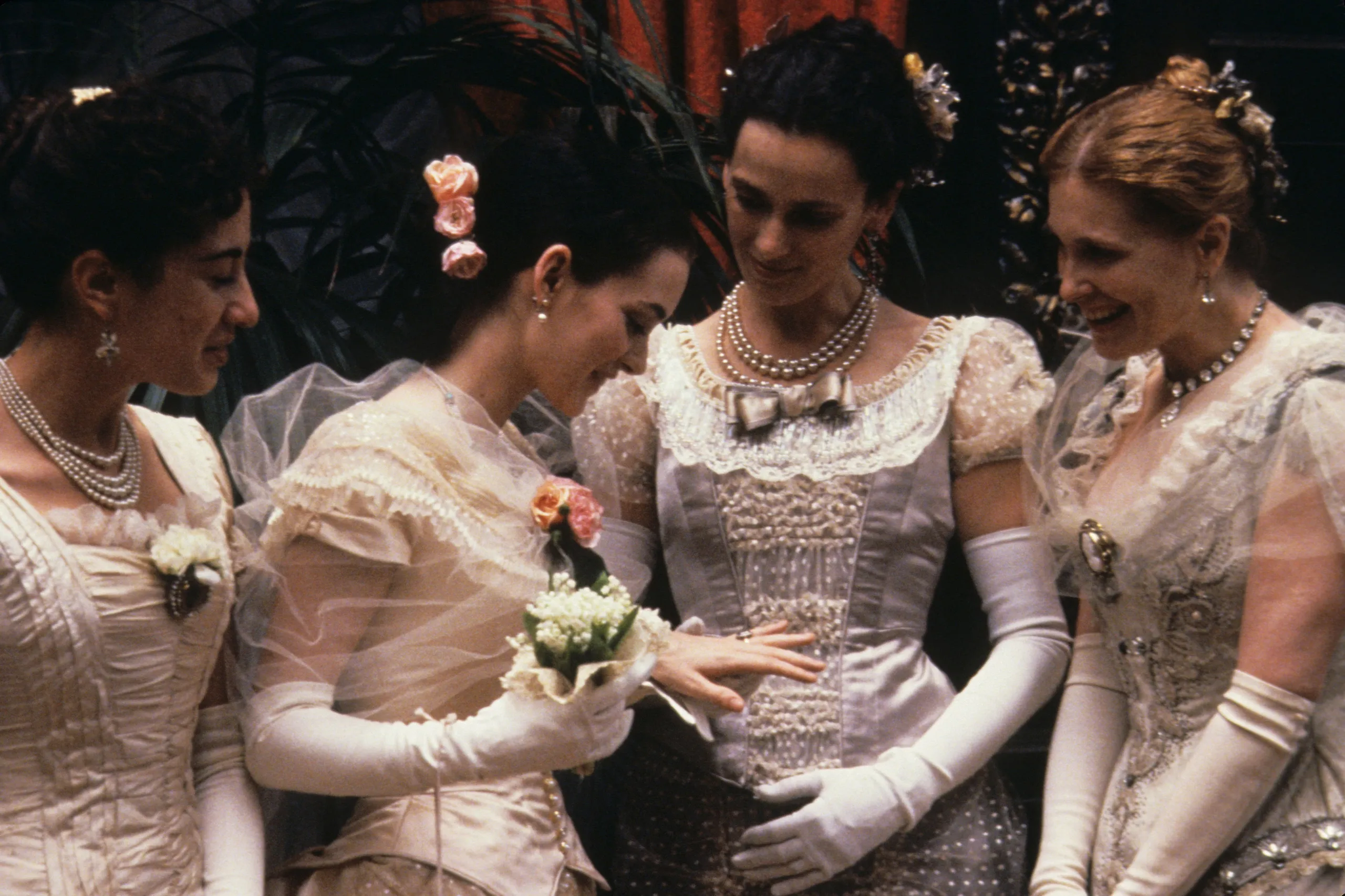
Gilded Age fashion reference

Gilded Age fashion reference · Image source: archival reference

2022

Gilded Glamour

By 2022, the fantasy had changed. The dress code for In America: An Anthology of Fashion was “Gilded Glamour, White Tie,” drawing attention toward the grandeur of America's Gilded Age.

Visually, it offered everything fashion loves about history: corsetry, opera gloves, elaborate trains, jewels and references to an era of extraordinary wealth. Yet the beauty of the Gilded Age cannot be separated from its contradictions. Rapid industrialization created enormous fortunes while inequality remained embedded beneath the surface.

That tension makes 2022 more interesting than nostalgia alone. Fashion has always borrowed from history, but borrowing also involves choosing what to remember. A silhouette can romanticize an era while ignoring the conditions that produced it.

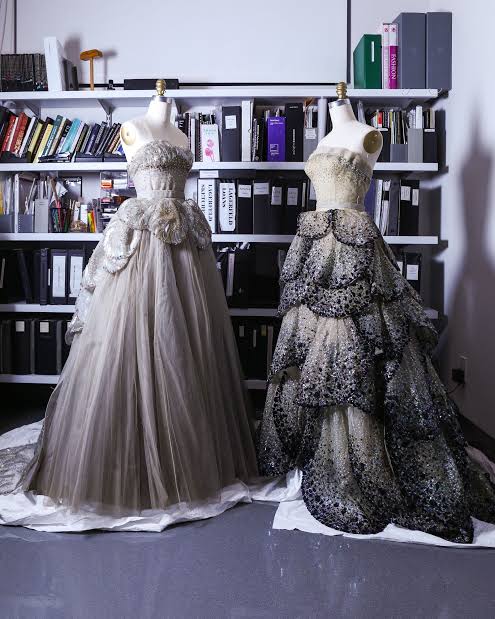
Sleeping Beauties Reawakening Fashion

Sleeping Beauties: Reawakening Fashion · The Metropolitan Museum of Art

2024

Sleeping Beauties

Sleeping Beauties: Reawakening Fashion turned the conversation inward. Once clothing enters a museum collection, it changes. A garment once touched skin, moved through rooms and carried scent, sound and memory. Behind glass, it becomes still.

The exhibition used conservation research and technologies including artificial intelligence, computer-generated imagery, projection, sound and other sensory techniques to suggest experiences that fragile historical garments could no longer physically provide.

Nature became the exhibition's central metaphor: fashion as something cyclical, fragile and temporary. In an industry built around the new, Sleeping Beauties asked what happens when clothing survives long after the moment for which it was created.

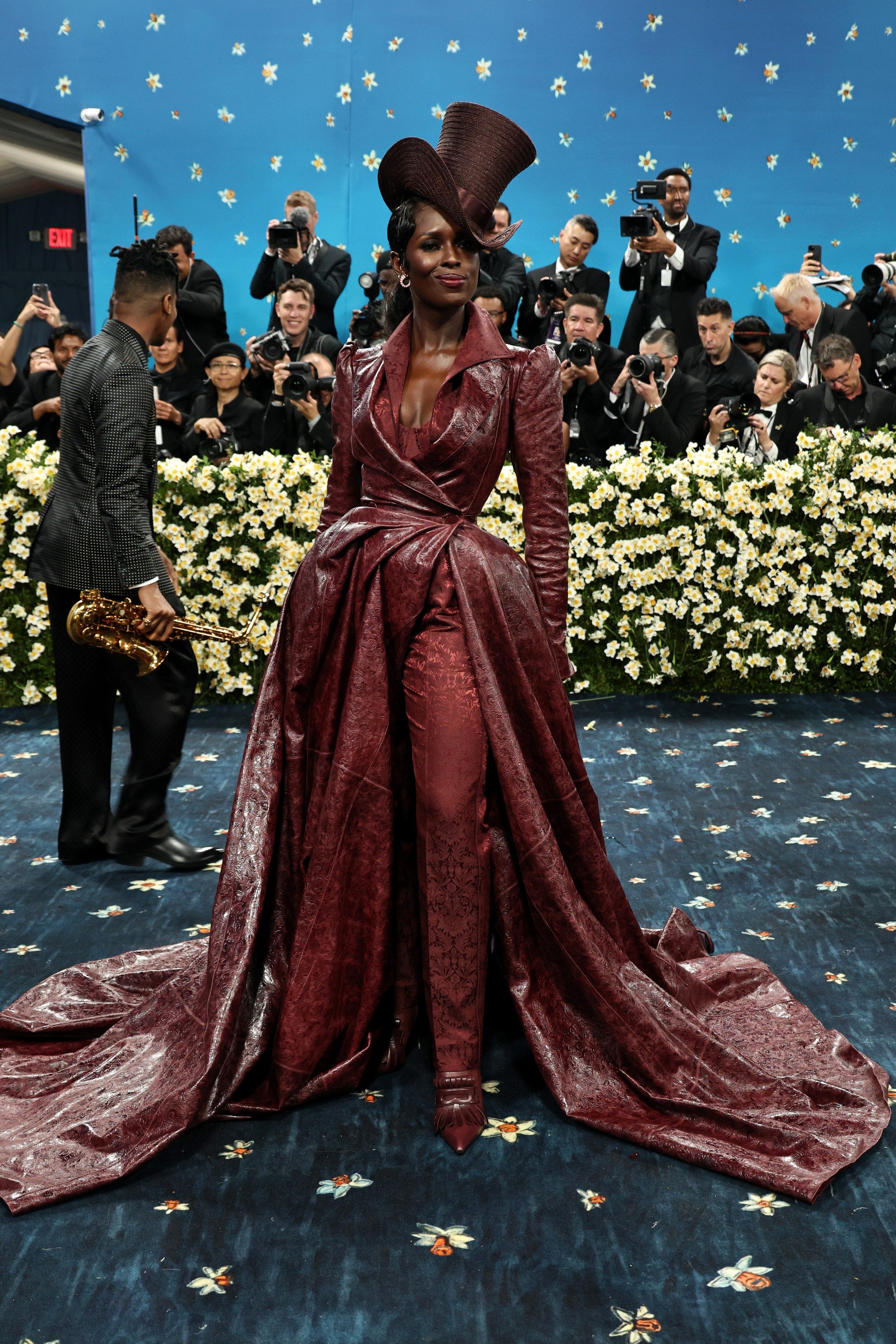
Superfine Tailoring Black Style

Met Gala, 2025 · Superfine: Tailoring Black Style · Photo: Getty Images

2025

Superfine

With Superfine: Tailoring Black Style, the conversation moved again, this time toward identity. Through the history of Black dandyism, clothing became a way of examining self-fashioning, distinction, resistance and the politics of being seen.

This is perhaps one of the clearest examples of how far the Met Gala's definition of fashion has expanded. Beauty is no longer treated as something purely visual. Style can communicate history. Tailoring can construct identity. The act of dressing can become a way of claiming space within cultures that have not always offered it equally.

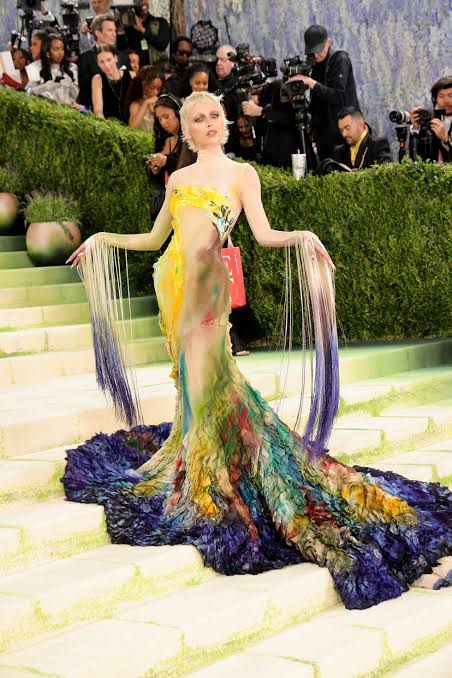
Hand-painted Mugler gown at the 2026 Met Gala

Met Gala, 2026 · Custom Mugler · Hand-painted by Anna Deller-Yee · Photo: Ryan Lowry

2026

Costume Art

Then came the most direct statement yet.

The 2026 exhibition, Costume Art, explores representations of the dressed body by pairing garments from the Costume Institute with artworks from across the Met's collection. Its inaugural setting in the museum's new Costume Institute galleries makes the relationship between fashion and art architectural as well as conceptual.

The Gala dress code reduced that argument to three words: “Fashion is Art.”

After decades of exhibitions placing fashion beside history, technology, religion, politics and identity, the statement almost feels inevitable. Fashion no longer needs to borrow legitimacy from art. The body itself becomes the gallery, and the garment becomes the work.

Emma Chamberlain's custom Mugler gown made that idea unusually literal. Designed by Miguel Castro Freitas and hand-painted by artist Anna Deller-Yee, the dress transformed fabric into a painted surface. References sent to the Mugler team included works by Van Gogh and Munch; Deller-Yee spent 40 hours painting the gown using 30 base colors.

Here, the distinction between painting and dress becomes almost irrelevant. The artwork cannot be separated from the person wearing it. It changes as Chamberlain moves. It has a front, a back, a texture and a relationship with the body beneath it. Fashion becomes a canvas that refuses to remain still.

A Moving Definition

What does the Met Gala actually change?

It would be too simple to argue that one night in New York dictates what the world will consider beautiful next. Fashion does not move in such a straight line. The Gala reflects conversations already happening across designers, museums, culture and society.

But that is exactly why it matters. The Met chooses which conversations deserve preservation and amplification. Looking across its exhibitions, a pattern emerges. Fashion moves from object to idea; from beauty to identity; from decoration to history; from something we wear to something through which we understand ourselves.

The definition of beauty changes with it.

Perhaps the Met Gala does not tell us what beauty will become. It tells us what fashion is ready to reconsider.

Sources

The Metropolitan Museum of Art — Alexander McQueen: Savage Beauty

The Metropolitan Museum of Art — Heavenly Bodies: Fashion and the Catholic Imagination

The Metropolitan Museum of Art — Camp: Notes on Fashion

Vogue — The Met Gala 2022 Dress Code: Gilded Glamour

The Metropolitan Museum of Art — Sleeping Beauties: Reawakening Fashion

The Metropolitan Museum of Art — Superfine: Tailoring Black Style

The Metropolitan Museum of Art — Costume Art

Vogue — Emma Chamberlain’s Hand-Painted Mugler Gown

← Back to Essays
ANAÏS DOROSHINA · FASHION & LUXURY ·
AD