Luxury is no longer confined to what we wear. Increasingly, fashion houses are building entire worlds around their brands — spaces where people can eat, listen to music, travel, and spend time inside a carefully constructed version of the brand itself.
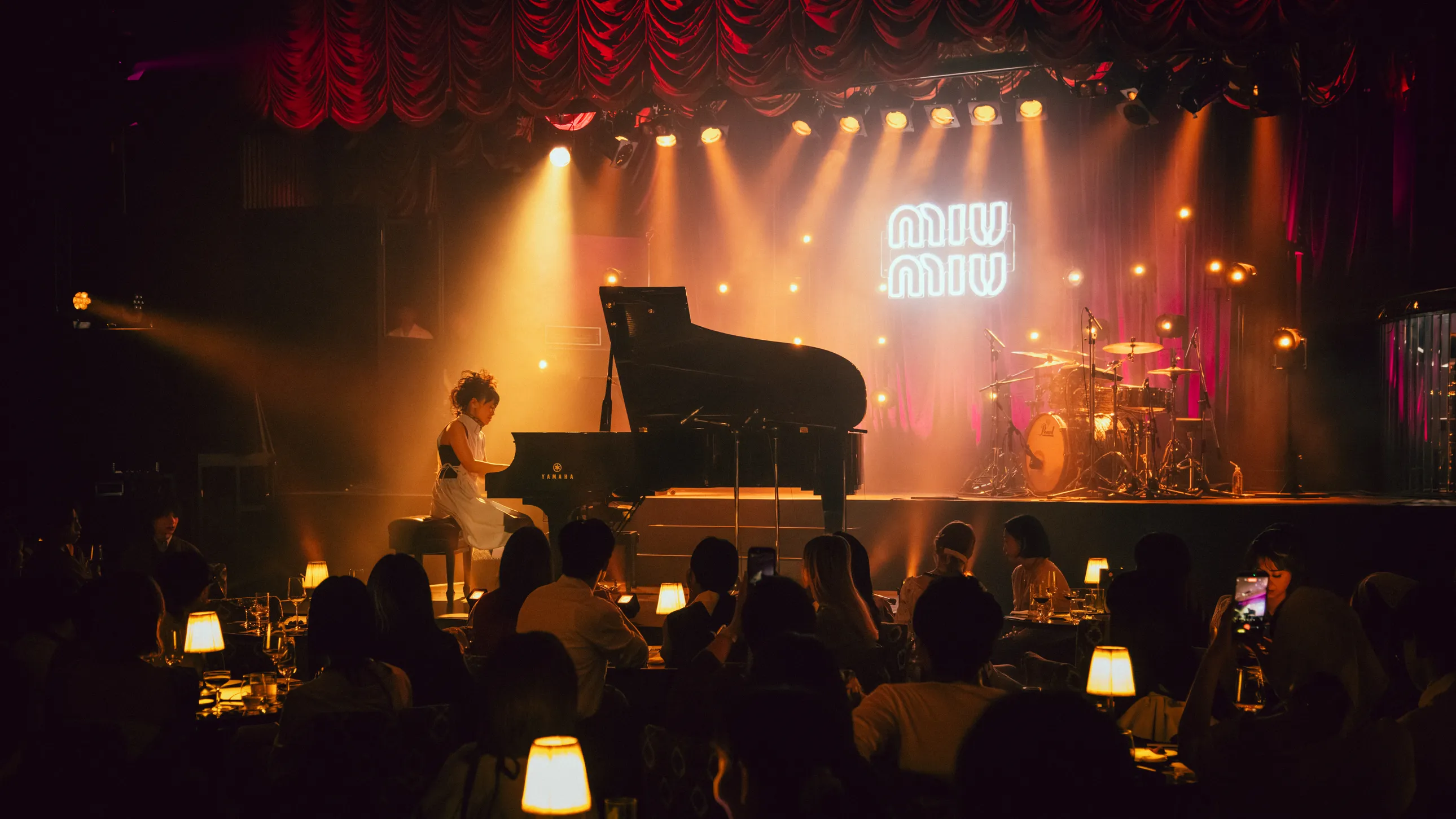
Miu Miu’s Jazz Club in Tokyo is a perfect example. Created in May 2026 to celebrate the reopening of its Ginza flagship, the one-night event drew on Japan’s jazz and kissaten culture, turning music into an extension of Miu Miu’s identity. The brand described the project as a contemporary salon centred on listening, experimentation, individuality, and women’s creative expression. It was less about selling a handbag that evening and more about making people feel what the Miu Miu universe represents.
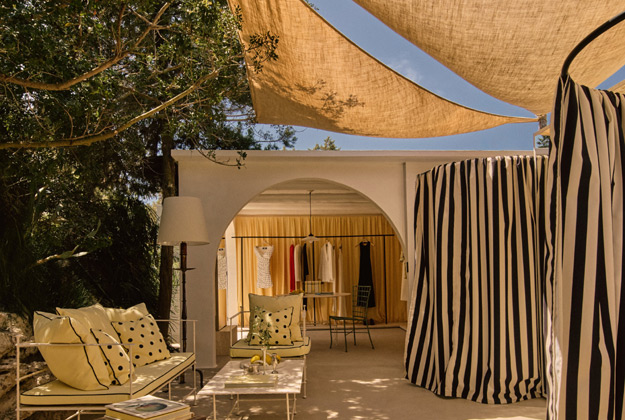
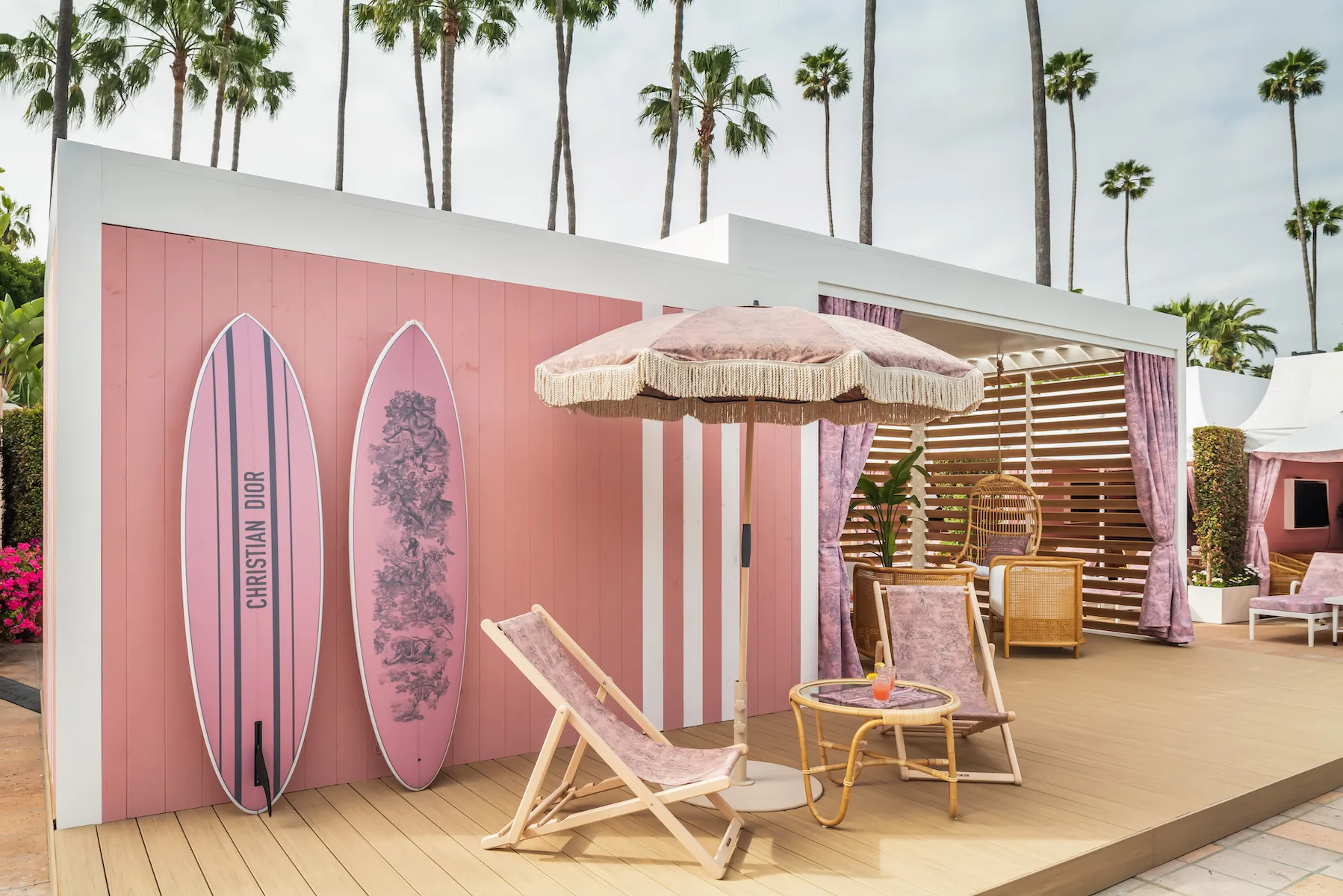
The same idea is unfolding across summer destinations. In Ibiza, Jacquemus transformed Jondal beach club with its instantly recognisable banana yellow, polka-dot loungers, branded parasols and a temporary boutique. Dior also returned to the island with a Dioriviera pop-up. Suddenly, a day at the beach could become an experience inside a fashion house — not through a runway show, but through the chair you sit on, the towel beside you and the atmosphere around you.
This is what makes these activations so interesting to me. Luxury has always depended on storytelling, but brands are increasingly allowing consumers to physically step inside that story. A café, hotel, beach club or jazz bar creates something a traditional store cannot: time spent with the brand.
It also shifts the relationship from ownership to participation. Someone may never purchase a €5,000 bag, but they might have coffee in a branded café, visit a seasonal beach club, photograph the space and remember the experience. That memory becomes part of the brand’s identity too. In an industry where products can be copied and trends move increasingly quickly, perhaps the strongest form of exclusivity is no longer simply owning something. It is being invited into a world that people want to belong to.